
Gingival recession is a non-inflammatory condition in which the gum recedes and the tooth root is exposed. It is treated with microsurgical periodontal surgery, and timely treatment is of the utmost importance for the future of the tooth.
What is gingival recession?
The changed position of the gum favours the retention of plaque, which can lead to root caries or the development of periodontitis.
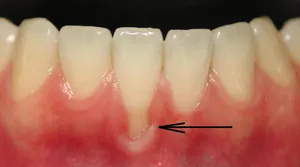
It most often affects the teeth in the front area (incisors and canines). It may involve one or several teeth. Non-inflammatory recession occurs mainly in young people and in the early stage is an aesthetic problem.
What are the symptoms and how does it progress?
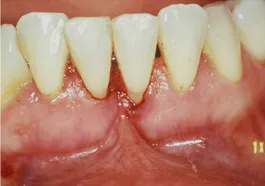
As gingival recession advances, sensitivity develops at the neck of the tooth (pain in the tooth with cold), an infection may develop, and there may be bleeding, pain and discomfort when eating.
In the early stage of root exposure the teeth are usually not loose, but as the process advances they may loosen. This is because the gum and the bone beneath it are connected, and when the root is exposed the level of the bone also drops. When 2/3 of the height of the bone has dissolved, the tooth becomes loose, and the looseness in turn worsens the gum recession.
What are the causes?
The most common causes of gingival recession are:
- incorrect, traumatic tooth brushing (a hard brush and rough horizontal movements);
- high-attached muscle bands and frenula (the individual anatomy of the oral cavity);
- incorrect orthodontic treatment;
- parafunctions (bruxism), which cause clenching or grinding of the teeth.
Besides being non-inflammatory conditions, gingival recessions can also be a symptom of some inflammatory diseases – such as gingivitis and periodontitis.
How can it be prevented?
To prevent gingival recession, it is important to have thorough preventive examinations from childhood. Orthodontic anomalies and short frenula should be treated in good time, and patients who are predisposed should be monitored more often.
How is it treated?
Gingival recession is treated with microsurgical periodontal surgery. See treatment of gingival recession.
Frequently asked questions
What is gingival recession?
A non-inflammatory condition in which the gum recedes and the tooth root is exposed.
Which teeth does it most often affect?
It most often affects the teeth in the front area (incisors and canines). It may involve one or several teeth.
What causes gingival recession?
Incorrect, traumatic tooth brushing (a hard brush and rough horizontal movements), high-attached muscle bands and frenula, incorrect orthodontic treatment and parafunctions such as bruxism.
Why is it important to treat it in good time?
The changed position of the gum favours the retention of plaque, which can lead to root caries or the development of periodontitis. As the process advances, the teeth may loosen.
How is gingival recession treated?
With microsurgical periodontal surgery.