
Food can be the main cause of caries and periodontal disease, but it can also protect against them and keep tooth enamel strong. What matters most is what the child eats while their teeth are forming: dairy products and raw, fibre-rich foods protect, while sweet and sticky foods combined with irregular brushing lead to caries.
What do a child’s teeth need while they are forming?
When a child’s teeth are forming, proteins and minerals are needed.
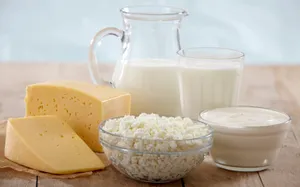
They are supplied by breast milk and by dairy products (cow’s milk, white cheese, yellow cheese) that the child eats while the primary and permanent teeth are forming. With a long enough period of breastfeeding, and then regular intake of dairy products throughout childhood, the tooth structures (enamel and dentine) are built fully and are resistant to caries.
How do sweet foods affect the teeth?

When instead of regular dairy foods the child regularly eats sweet foods (lollipops, wafers, chocolate), the body finds it harder to build full, resistant enamel and dentine. As a result, the teeth are prone to caries.
If to this is added the caries-causing effect of sweet foods, combined with insufficient or irregular brushing, the risk of caries rises enormously, and such children usually have multiple cavities.
With poor or incorrect nutrition in childhood, while the teeth are forming and developing, the enamel has reduced strength and resistance. In future the likelihood of developing caries is high even with strict oral hygiene.
Which foods protect against caries and which cause it?
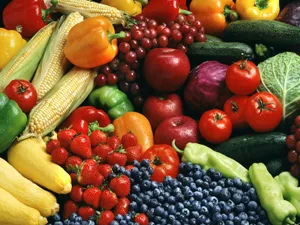
The type and consistency of the food are very important for the nutritional prevention of caries and periodontal disease.
- Raw, hard foods and foods rich in fibre (vegetables, meat, cabbage) do not stick easily to the teeth. When chewed they clean them naturally and so protect against caries.
- Soft, mushy and sticky foods (pasta, boiled rice, confectionery – cakes, wafers, pastries and so on) stick firmly to the teeth and quickly form a large amount of dental plaque.
When a lot of hard-to-clean plaque is combined with insufficient or irregular brushing, cavities form very quickly.
Are soft foods linked to crooked teeth?
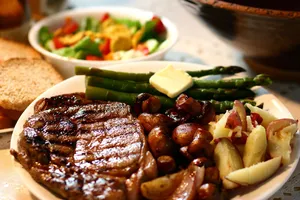
An interesting fact is that cooked and soft foods are an indirect cause of dental and jaw deformities (crooked teeth). In the past people ate mostly raw and unprocessed foods, and their teeth and jaws were adapted to the greater forces needed to chew them.
After cooking was introduced (boiling, baking), foods became much softer and easier to chew. Such large and strong chewing muscles and jaws are no longer needed, which leads to a reduction in their size.
In evolutionary terms, however, the size of the jawbones has decreased faster than the size of the individual teeth. This leaves too little room for all the teeth to be arranged properly and leads to orthodontic deformities (crooked teeth) or impacted wisdom teeth.
How do we build a healthy diet?
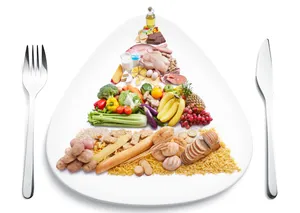
Proper nutrition is one of the main factors in protecting against caries. When forming a diet, there should be no extremes – for example completely excluding sweet foods or eating only dairy foods or fruit.
In childhood the recommendation is:
- an increased intake of foods that are beneficial for dental health – fresh milk and yoghurt, white cheese, cottage cheese, yellow cheese, cabbage, fruit and vegetables;
- a reduced intake of sweet foods containing cooked carbohydrates – wafers, lollipops, chocolate, cakes, pastries and so on.
Another recommendation for reducing the harmful effect of sweet foods is not to end a meal with them. For example, a piece of white or yellow cheese after a sweet dessert creates a caries-protective environment in the mouth.
When nutritional prevention in children is combined with fluoride prevention and fissure sealants, protection against caries is optimal.
Frequently asked questions
Which foods protect the teeth from caries?
Raw, hard foods and foods rich in fibre (vegetables, meat, cabbage) do not stick easily and clean the tooth surfaces naturally when chewed. Dairy products (fresh milk and yoghurt, white cheese, cottage cheese, yellow cheese), fruit and vegetables are also important.
How do sweet foods affect a child's teeth?
When instead of dairy foods the child regularly eats sweet foods (lollipops, wafers, chocolate), the body finds it harder to build full, resistant enamel and dentine and the teeth are prone to caries. If insufficient or irregular brushing is added, the risk rises enormously.
Should sweet foods be excluded completely?
No. When forming a diet there should be no extremes – neither completely excluding sweet foods nor eating only dairy foods or fruit. A reduced intake of sweet foods containing cooked carbohydrates is recommended.
How can we reduce the harmful effect of sweet foods?
Do not end a meal with sweets. For example, giving a piece of white or yellow cheese after a sweet dessert creates a caries-protective environment in the mouth.
Why are soft foods linked to crooked teeth?
Cooked foods are softer and easier to chew, so the chewing muscles and jaws have become smaller. The jawbones have decreased faster than the individual teeth, which leaves too little room for all the teeth – orthodontic deformities (crooked teeth) or impacted wisdom teeth.