
A broken or missing tooth leads not only to aesthetic but also to functional disorders in the oral cavity. It is important to see a dentist immediately – so that the causes can be established and appropriate treatment undertaken before the problem deepens. The methods of prosthetic dentistry are used for restoration: a dental implant, dental crowns and bridges, or dentures. This is a short overview; each problem is covered in detail in Broken tooth and Missing tooth.
What are the consequences of a broken or missing tooth?
In most cases the patient is concerned about the appearance, but there may also be complaints such as pain and discomfort. With a broken or missing front tooth, the patient’s self-confidence may suffer – he or she stops smiling, tries to speak less and does not show the true beauty of their smile.
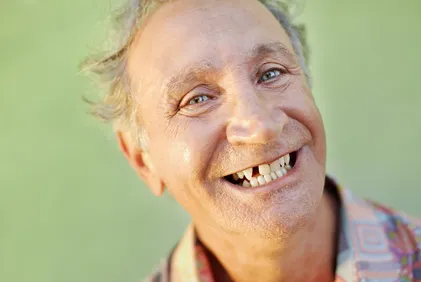
Besides the aesthetic look of the smile, broken or missing teeth also impair chewing.
What is Godon’s phenomenon?
If no measures are taken when a tooth is missing, over time the neighbouring teeth tilt towards the empty space and cause Godon’s phenomenon. Once it has developed, restoring aesthetics and function becomes very difficult because of the lack of space to restore the missing tooth. How it develops and what other problems it causes is described in Missing tooth.
What do broken teeth look like?
The fractures can vary – from involving only the enamel to severe fractures reaching the nerve of the tooth and accompanied by severe pain, or even breaking of the whole crown. For more on the types of fractures, see the page Broken tooth.
What should you do and how is it treated?
It is important to see a dentist immediately, so that the causes (untreated caries, trauma) can be established, the patient’s complaints examined and appropriate treatment undertaken.
To restore one or several broken or missing teeth, the methods of prosthetic dentistry are used:
Frequently asked questions
What is Godon's phenomenon?
When a missing tooth is not restored, over time the neighbouring teeth tilt towards the empty space. This makes restoring aesthetics and function very difficult, because there is no space to restore the missing tooth.
Is a missing tooth only an aesthetic problem?
No. Besides the aesthetic look of the smile, broken or missing teeth also impair chewing.
How is a broken or missing tooth restored?
The methods of prosthetic dentistry are used – placing a dental implant, dental crowns and bridges, or dentures.
When should I see a dentist?
Immediately – so that the causes (untreated caries, trauma) can be established, the complaints examined and appropriate treatment undertaken.