

Teeth are brushed morning and evening for about 3 minutes, and what matters most for effective cleaning is performing the brush movements precisely. This protects you from caries and from gum inflammation.
Why is correct tooth brushing important?
Brushing your teeth is the main preventive measure against the development of caries and gum inflammation. Oral hygiene is an important habit — it should be built from early childhood and carried out daily and thoroughly. A suitable toothpaste, a toothbrush and the correct brushing technique are needed.
The market is flooded with different toothpastes, brushes and additional cleaning accessories, but the suitable combination is best determined at the dental clinic. At the examination the Patient is told, depending on the condition of their oral cavity, which brushes, toothpastes and rinses to use.
How often and for how long should you brush?
The basic principle is to brush the teeth morning and evening for about 3 minutes (the length of a song on the radio).
What matters most for truly effective cleaning is not so much the type of toothbrush and toothpaste as performing precisely defined movements with the brush. Many people, even though they brush regularly, fail to remove dental plaque effectively because of incorrect movements. The correct technique requires careful and thorough cleaning of all tooth surfaces.
How do you brush your teeth step by step?
The basic technique: the toothbrush is held horizontally, so that the angle of the cleaning bristles is about 45 degrees to the gum.
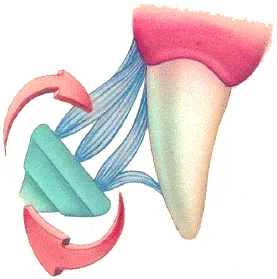
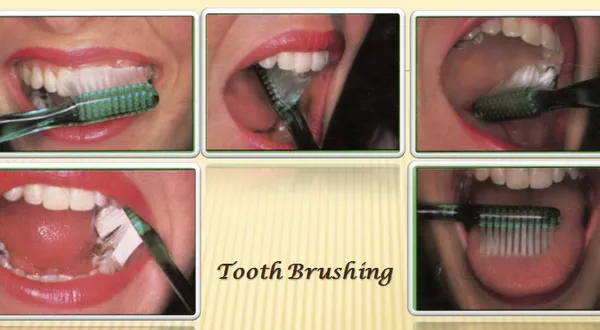
- Outer surfaces. For the upper jaw, start from the molars on one side with circular, “sweeping” movements in the direction from the gum to the tooth. Spend 10 seconds on each tooth. The outer surfaces of the lower jaw are cleaned in the same way.
- Inner surfaces. For the upper jaw the brush is placed from the palate side, for the lower jaw from the tongue side, and the teeth are cleaned carefully with the same circular, sweeping movements from the gum to the tooth.
- Front teeth. The brush is held upright and the teeth are cleaned with several sweeping movements.
- Chewing surfaces. Finally, the brush is passed over the chewing surfaces with back-and-forth movements.
- Tongue and rinsing. It is also advisable to clean the tongue, to remove the bacteria that cause bad breath. Then rinse the mouth with water and wash the brush thoroughly.
Are a toothbrush and toothpaste enough?
No. Brushing with only a toothbrush and toothpaste cleans three of the five surfaces of the teeth. The other two need special care to prevent plaque and food debris from building up: dental floss, interdental brushes and water flossers with antiseptic solutions are used. The way to use them is shown at the dental clinic.
Regular and correct tooth brushing protects against the development of caries and gum disease.
Frequently asked questions
How long and how many times a day should you brush your teeth?
Morning and evening, for about 3 minutes (the length of a song on the radio).
At what angle should the toothbrush be held?
The toothbrush is held horizontally, so that the angle of the cleaning bristles is about 45 degrees to the gum. In the area of the front teeth the brush is held upright.
Are a toothbrush and toothpaste enough for clean teeth?
No. A brush and toothpaste clean three of the five surfaces of the teeth. The other two are cleaned with dental floss, interdental brushes and water flossers with antiseptic solutions.
How do I choose a toothbrush and toothpaste?
The suitable combination is best determined at the dental clinic. At the examination the Patient is told, depending on the condition of their oral cavity, which brushes, toothpastes and rinses to use.
Should the tongue also be cleaned?
It is advisable, to remove the bacteria that cause bad breath.