

Treatment of periapical periodontitis removes the infection in the root canals and around the root tip (acute or chronic – a granuloma) through endodontic treatment. It begins with an X-ray and a clinical examination, and in many cases without delay, because the patient’s general condition is often affected too.
What determines the outcome of treatment?
Treating periapical periodontitis is a difficult and demanding task. Its outcome is determined by three things: the great variety of forms (acute, chronic, exacerbated), the individual features of the root canals (curved, narrowed, impassable) and the body’s defences.
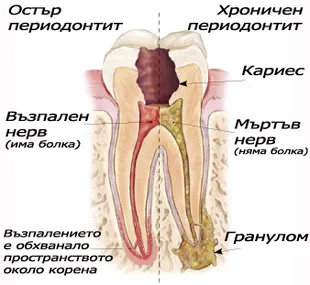
The X-ray and the clinical examination determine the type of periodontitis and the methods to be used.
How does it differ from the treatment of pulpitis?
The infection in the root canal system is eliminated by the method of standard endodontic treatment for pulpitis (read more). The main difference is that the infection around the root tip (in acute periodontitis) or the granuloma (in chronic periodontitis) must also be addressed.
How is acute periodontitis treated?
Acute periodontitis involves severe pain. It is caused by increased tissue pressure due to the accumulation of pus or serous fluid as a result of the inflammatory process. The fluid that has collected around the root of the tooth must be drained to relieve the pain and allow healing to begin.
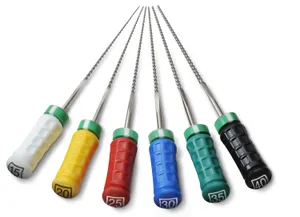
This is done through the root canals: they are cleaned of the pulp (nerve) and widened with special files so that the collection of fluids can drain.
The patient feels relief quickly, but that does not mean they are cured. The walls of the root canals and the bone around the root tip are densely populated by the bacteria that caused the periodontitis. If the root canals were sealed hermetically at this point, the bacteria would multiply again and the disease would flare up in the same way.
This is where the main difference between endodontic treatment of pulpitis and of periodontitis lies: in periodontitis, all the bacteria in the root canals and the periodontium must be eliminated. This is done through mechanical and medicinal treatment of the canals and numerous irrigations with antiseptic and antibiotic solutions, and in severe cases by prescribing an antibiotic to be taken by mouth.
Mechanical treatment
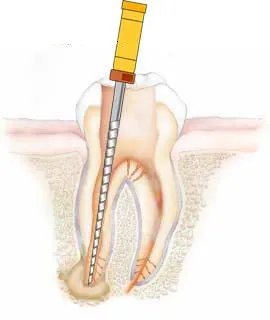
Mechanical treatment means scraping the walls of the root canals, which removes the bacteria attached to them. It is done with special endodontic files, which must reach the end of the root – otherwise the treatment is not reliable enough.
In very curved, narrowed or impassable root canals there is no way to carry out endodontic treatment and reach the infection around the root tip. Then apical osteotomy or even extraction of the tooth is necessary.
Medicinal treatment
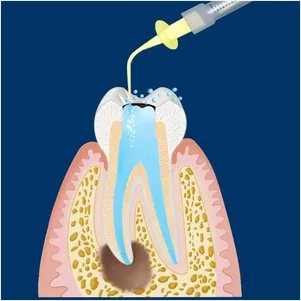
In the acute stages of periodontitis, the root canal is irrigated with antiseptics and antibiotics to eliminate the disease-causing bacteria and to reduce the inflammation around the root tip. The irrigations are done every day and in persistent inflammatory processes can continue for several weeks.
After the acute process has settled and the pain has completely subsided, it is checked whether the tooth can remain hermetically sealed. A temporary filling is placed, and the irrigations are replaced by special medicaments (drugs) in the root canals, which stay there for several days. If everything is calm and there is no pain or unpleasant sensation in the tooth, we proceed to filling the root canals and completing the treatment.
How is chronic periodontitis (granuloma) treated?
In chronic periodontitis (granuloma) the immune system is strong enough not to allow the bacteria to cause acute inflammation, but it cannot clear the infection on its own because new bacteria keep entering through the open or incorrectly filled root canal. Chronic periodontitis runs with minimal symptoms or even none (mild pain or discomfort in the tooth when chewing).
Here too conventional root canal treatment is carried out, with the canal of the tooth being refilled correctly. After the treatment is finished, a follow-up X-ray is taken, which shows whether the root canal is well filled to the end.
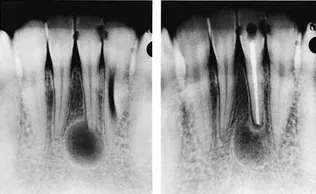
Once the root canal is filled, the healing process is followed with X-rays every 6 months, paying attention to a reduction in the size of the granuloma or cyst. In some cases the bacteria are highly aggressive and resistant and endodontic treatment is not enough – then surgical removal of the granuloma by apical osteotomy or hemisection is necessary.
Frequently asked questions
Why is the pain in acute periodontitis severe?
The severe pain is caused by increased tissue pressure due to the accumulation of pus or serous fluid around the root of the tooth as a result of the inflammatory process.
Does quick relief mean the tooth is cured?
No. The patient feels relief quickly, but the walls of the root canals and the bone around the root tip remain populated by the bacteria that caused the periodontitis. If the canals were sealed hermetically at this point, the disease would flare up in the same way.
How long do the root canal irrigations continue?
They are done every day and in persistent inflammatory processes can continue for several weeks.
How is a granuloma followed up after treatment?
Once the root canal is filled, the healing process is followed with X-rays every 6 months, paying attention to a reduction in the size of the granuloma or cyst.
When is endodontic treatment not enough?
In very curved, narrowed or impassable root canals, and with highly aggressive and resistant bacteria, apical osteotomy or hemisection is necessary, and sometimes extraction of the tooth.