
A custom-made Silensor SL anti-snoring device adjusts the position of the lower jaw and so makes breathing easier at night. In over 90% of cases this stops the snoring, and the impressions need only about 30 min of painless time at the clinic.
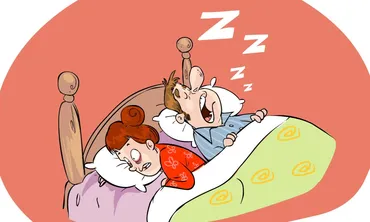
Why do people snore?
Snoring is one of the most common phenomena among people. It affects about 40% of the population and is more frequent in men over the age of 50.
It is a sound produced by a narrowed pharyngeal space. The volume of air we need to inhale stays the same, but to pass through the narrowed space it has to move faster. This makes the soft tissues vibrate – mainly the soft palate and the uvula – which causes the snoring.
What is sleep apnoea?
Another cause of snoring can be sleep apnoea. It is a serious condition caused by the relaxation of the muscles of the upper airways.
During it, breathing may stop for around 10 seconds or more, after which it resumes with a loud snort. The condition is again much more common in men and progresses over time. If sleep apnoea is left untreated, the risk of cerebrovascular and cardiovascular disease increases many times over.
What options are there for dealing with snoring?
Loud snoring is extremely unpleasant for those around you, so many ideas and methods are offered (strips, pillows, pills, sprays), as well as ready-made appliances and devices that you can freely buy in shops or online.
Custom-made anti-snoring devices are a novelty in the world of dental medicine.
How does the custom-made Silensor SL device work?
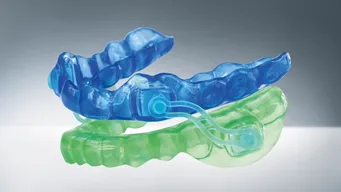
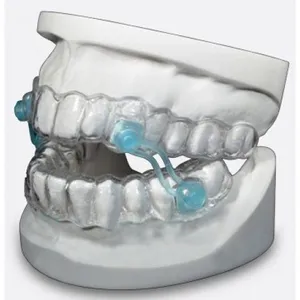
One example of this type of device is the so-called Silensor SL. It consists of two thin splints, about 1 mm thick, similar to teeth whitening trays, connected by special slightly elastic links.
One splint is placed on the upper jaw and the other on the lower jaw, and the links adjust the position of the lower jaw. This provides much better airway patency, which in over 90% of cases stops the snoring, and in very severe cases significantly reduces its intensity to tolerable levels.
The device also helps with obstructive sleep apnoea thanks to the improved patency of the upper airways and easier breathing.
How long does it take to make?
Making an anti-snoring device takes about a week under standard timelines, and it can be completed within 3 days in urgent cases, with a rush order to the laboratory.
To make such a device, impressions of the upper and lower jaw and a bite registration are needed. This takes about 30 min at the clinic and is not painful. The device costs 250 €. All prices are in the Price list.
Is it easy to get used to the device?
Getting used to sleeping with the anti-snoring device is easier than with other alternative appliances. This is because it is made individually to fit the features of the patient’s mouth.
Both splints are made of thin, fine foil that fits tightly to the teeth, so there is no risk of the device falling out during sleep. The elastic connecting parts allow some movement of the jaws, which adds to the comfort.
Frequently asked questions
How does the Silensor SL anti-snoring device work?
It consists of two thin splints connected by slightly elastic links. One is placed on the upper jaw and the other on the lower jaw, which adjusts the position of the lower jaw. The airways become more open, which in over 90% of cases stops the snoring.
How long does it take to make the device?
About a week under standard timelines, and within 3 days in urgent cases, with a rush order to the laboratory.
Are the impressions painful?
No. Impressions of the upper and lower jaw and a bite registration are taken, and the visit to the clinic takes about 30 min.
Is it easy to get used to sleeping with the device?
Easier than with other alternative appliances, because it is made individually. The splints fit tightly to the teeth and the device does not fall out during sleep, while the elastic links allow some movement of the jaws.
Does the device help with sleep apnoea?
It helps well with obstructive sleep apnoea thanks to the improved patency of the upper airways and easier breathing.